
The Psychology of Casino Game Design
Casino games represent one of entertainment's most sophisticated design challenges—creating experiences that are simultaneously mathematically sound for operators, engaging for players, fair in outcomes, and compliant with strict regulations. Behind every spin of a slot machine reel, every deal of cards, and every roll of dice lies intricate design incorporating psychology, mathematics, sensory science, and behavioral economics. At Brookmill Manor, we've carefully curated our gaming selection to offer experiences that exemplify excellent game design, and understanding the principles behind these designs enhances appreciation for the artistry involved.
Game design isn't manipulation or trickery—it's the application of scientific understanding about human psychology to create genuinely entertaining experiences. The most successful casino games achieve delicate balance: they're easy enough to understand quickly yet complex enough to maintain interest, offer hope of winning while maintaining mathematical integrity, provide entertainment value beyond pure gambling, and create emotional engagement without exploitation. Examining how designers achieve these goals reveals fascinating insights into human psychology and decision-making.
The Mathematical Foundation: House Edge and RTP
Every casino game begins with mathematical modeling that determines its fundamental economics. The house edge—the statistical advantage casinos hold over players—must be carefully calibrated. Too high, and players lose too quickly, ending sessions prematurely and feeling cheated. Too low, and casinos can't generate sufficient revenue to operate sustainably and offer the amenities, service, and environment players expect.
Modern game designers typically aim for house edges between one and fifteen percent depending on game type and target audience. Slot machines generally operate in the five to ten percent range, while table games vary widely—blackjack with optimal strategy offers edges below one percent, while certain specialty bets on games like roulette or craps can exceed fifteen percent. These carefully calculated edges ensure casinos profit over time while individual players experience varied short-term results including substantial wins.
Return to Player (RTP) percentage—the inverse of house edge—tells players what percentage of wagered money returns as wins over time. A slot with 96% RTP theoretically returns €96 for every €100 wagered, though individual sessions vary dramatically from this long-term average. Transparent RTP disclosure, increasingly standard in regulated markets, empowers players to make informed decisions about which games offer better value.
Volatility or variance describes how wins distribute over time. Low volatility games pay frequent small wins, creating extended play sessions with relatively stable bankrolls. High volatility games feature infrequent but larger wins, producing dramatic swings where players might lose substantially before hitting significant payouts. Neither approach is inherently superior—they appeal to different player preferences and create distinct emotional experiences.
Understanding these mathematical foundations helps players recognize that casino gaming involves transparent, predictable economics rather than mysterious or manipulated systems. Outcomes are genuinely random within mathematically defined parameters that ensure both exciting gameplay and sustainable operations.
Behavioral Psychology: Reinforcement Schedules
Game designers extensively utilize principles from behavioral psychology, particularly operant conditioning and reinforcement schedules, to create engaging experiences. Variable ratio reinforcement—rewards delivered after unpredictable numbers of actions—creates particularly strong behavioral patterns. This is precisely how slot machines function: you never know which spin will deliver a win, creating sustained engagement and anticipation.
Psychologist B.F. Skinner famously demonstrated that variable ratio schedules produce more persistent behavior than fixed ratio schedules where rewards arrive after predictable intervals. Pigeons in Skinner's experiments would press levers thousands of times for occasional food rewards on variable schedules but quickly lost interest with fixed schedules. Slot machines operate on this same principle—the unpredictability itself becomes part of the entertainment.
Intermittent reinforcement during overall losing sessions maintains engagement despite negative outcomes. A player might lose ten consecutive spins then win an amount recovering half those losses. That win produces excitement and renewed hope even though net position remains negative. This pattern of occasional wins amid predominant losses can sustain play far longer than consistent small losses without any wins.
Near-miss experiences represent particularly fascinating psychological phenomena. When slot reels stop showing two jackpot symbols on the payline with the third jackpot symbol just above or below, players experience this "near-miss" as psychologically distinct from losses showing completely unrelated symbols. Neurological research demonstrates that near-misses activate similar brain regions as actual wins despite being functionally identical to any other loss. Game designers carefully calibrate near-miss frequency to maintain engagement without creating frustration.
Sensory Design: Sound, Visual, and Tactile Elements
Casino games engage multiple senses simultaneously to create immersive experiences that transcend pure gambling mechanics. Sound design particularly influences emotional response and perception of winning frequency. Slot machines feature distinct audio signatures—startup sounds, reel spin sounds, win celebrations—carefully composed to be pleasant, exciting, and non-intrusive even in dense gaming floor environments where dozens of machines operate simultaneously.
Win sounds employ musical principles that trigger positive emotional responses. Major keys, ascending scales, and harmonic progressions create celebratory feelings even for modest wins. Larger wins trigger more elaborate audio celebrations with extended musical phrases and crescendos. Importantly, these sounds often play for small wins that don't even recover the initial wager—a €2 win on a €5 bet triggers celebration sounds despite €3 net loss. This creates perception of frequent winning that masks actual mathematical performance.
Visual design incorporates principles from attention psychology and aesthetic preference research. Bright colors, high contrast, and movement attract attention in peripheral vision, drawing players toward machines. Screens display rich graphics, animations, and effects that provide entertainment value independent of gambling outcomes. Modern slots often incorporate popular culture themes—movies, television shows, musical artists—creating familiarity and emotional connection before players even begin.
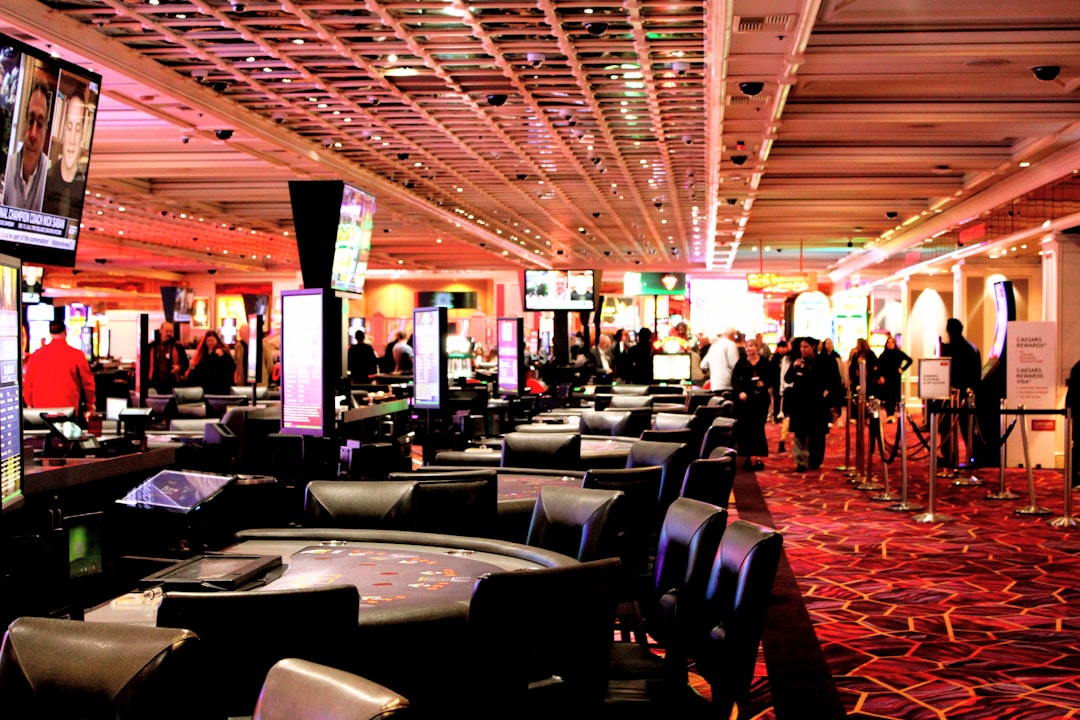
Lighting design extends beyond individual machines to entire gaming floor layouts. Research demonstrates that strategic lighting influences mood, perceived time passage, and arousal levels. Warm lighting creates comfortable, relaxed atmospheres encouraging extended stays, while strategic highlights draw attention to specific machines or gaming areas.
Tactile feedback remains important even in digital gaming. The satisfying click of physical buttons, the weight and texture of chips, the smoothness of cards—these sensory elements contribute to overall experience. Some modern slot machines incorporate haptic feedback technology providing vibrations or resistance sensations during play, creating physical engagement with digital outcomes.
Cognitive Biases and Decision-Making
Game designers understand common cognitive biases affecting player decision-making and create experiences that work with these natural human tendencies. The gambler's fallacy—believing that past independent events influence future probabilities—leads players to think they're "due" for a win after a losing streak. While mathematically incorrect for random independent events, this belief maintains engagement and hope during unlucky periods.
Loss aversion, the psychological principle that losses feel more painful than equivalent gains feel pleasant, influences game design in multiple ways. Designers create frequent small wins to offset the emotional impact of losses, even when those wins don't fully recover initial wagers. The pain of losing €10 is psychologically greater than the pleasure of winning €10, so frequent €3 and €5 wins make losing sessions feel less negative than pure loss streaks.
The endowment effect makes people value things more highly once they possess them. In gaming contexts, this manifests as reluctance to walk away from a machine after investing time and money, feeling that doing so wastes the "investment" already made. Designers subtly exploit this through features like bonus accumulation meters that fill gradually, creating feeling of progress toward rewards that would be "wasted" by leaving before completion.
Confirmation bias leads players to remember wins more vividly than losses, creating skewed perception of actual performance. A player might accurately recall the exciting €200 jackpot from three weeks ago while forgetting dozens of losing sessions. Game designers facilitate this selective memory through dramatic win celebrations that create strong memories while losses pass without particular distinction.
Illusion of control represents another powerful bias where people believe they can influence random outcomes through skill or technique. Slot machines might include skill-stop buttons allowing players to manually halt reels, creating feeling of control despite outcomes being predetermined by random number generators the instant the spin button was pressed. Similarly, dice throwers often believe throwing technique influences random outcomes, and card players develop rituals thought to influence luck.
Engagement Features: Bonuses and Progressives
Modern game design extensively employs engagement features beyond basic gameplay to create varied experiences and maintain interest. Bonus rounds represent major innovation in slot design, transforming simple reel-spinning into multi-layered entertainment. These bonus features often involve different gameplay mechanics—pick-em games, wheel spins, cascading symbols, or interactive mini-games—that provide variety and opportunity for substantial wins.
Bonus triggers create anticipation and excitement during base gameplay. Knowing that landing three scatter symbols activates an exciting bonus round makes each spin potentially transformative. The psychological impact of "almost" triggering bonuses—seeing two scatter symbols with reels still spinning—creates intense engagement even when bonuses don't actually trigger.
Progressive jackpots introduce possibility of life-changing wins that fundamentally alter the psychological experience of play. Knowing that any spin could theoretically deliver a million-euro jackpot creates sustained hope and excitement impossible with fixed maximum payouts. Watching progressive meters increment creates shared experience among players pursuing the same jackpot, adding communal dimension to typically solitary slot play.
Multi-level progressives offer jackpot tiers ranging from "mini" jackpots hitting frequently to "mega" jackpots rarely won but enormously valuable. This structure ensures regular jackpot excitement—someone wins a progressive jackpot almost continuously somewhere on the network—while maintaining the dream of massive payouts. The frequency of mini jackpots creates perception of jackpots being attainable rather than impossible fantasies.
Achievement systems borrowed from video game design have increasingly appeared in casino games. Players earn badges, complete challenges, or level up through extended play, receiving rewards and recognition beyond pure monetary wins. These systems appeal particularly to younger players accustomed to achievement-based gaming, creating engagement motivations beyond gambling itself.
Social and Competitive Elements
While traditionally solitary activities, modern casino games increasingly incorporate social features recognizing that entertainment value includes human connection and shared experiences. Tournament formats transform individual play into competitive events where players compete for prizes based on relative performance rather than absolute outcomes. This structure creates excitement and camaraderie while potentially offering better value than traditional house-edge gaming.
Leaderboards display top performers, creating recognition and status motivations beyond monetary returns. Some players pursue leaderboard positions as intensely as profits, enjoying competitive achievement and community recognition. This gamification creates engagement layers that extend beyond pure gambling psychology.
Shared progressive jackpots create community experience where players collectively contribute to growing prizes anyone might win. This communal element generates excitement when jackpots hit—even players who didn't win celebrate the event and feel renewed hope that they might be next. Casinos often deliberately celebrate jackpot wins publicly with lights, sounds, and congratulations, creating shared moments that enhance social atmosphere.
Live dealer games represent fascinating hybrid between online convenience and social casino experience. Real dealers conducting games via video stream create human connection and trust while maintaining digital accessibility. Players interact with dealers and sometimes other players through chat functions, creating social experience previously impossible in pure software-based online gaming.
Ethical Considerations in Game Design
Sophisticated psychological design raises important ethical questions about manipulation versus entertainment. At Brookmill Manor, we believe ethical game design maximizes enjoyment and engagement while respecting player autonomy and wellbeing. This means transparent communication about odds and house edges, responsible features that empower players to maintain limits, and rejecting design elements that deliberately exploit vulnerable individuals.
Features like reality checks that periodically display session length and net position help players maintain awareness that immersive design might otherwise compromise. Loss limits and time limits empower players to predetermine boundaries that systems enforce even when in-the-moment impulses might lead to exceeding them. These responsible features represent ethical design that respects player welfare alongside entertainment.
Transparent RTP disclosure allows informed decision-making about which games offer better expected value. While house edges ensure casinos profit over time, players deserve clear information about the mathematical relationship they're entering. Hiding or obscuring this information represents unethical exploitation rather than legitimate entertainment.
Speed limiters that prevent excessively rapid play protect players from losing large amounts before rational decision-making can intervene. While faster play generates more revenue, ethical operators recognize that extremely rapid loss rates can facilitate problematic gambling and regrettable decisions. Reasonable pace ensures players maintain awareness and control.
The Future of Game Design
Casino game design continues evolving with technological advancement and generational preference shifts. Skill-based gaming elements increasingly appear, particularly targeting younger players raised on video games who seek more interactive experiences than pure chance-based gambling. Games incorporating first-person shooter mechanics, puzzle-solving, or racing integrate gambling into broader entertainment contexts.
Virtual reality promises immersive experiences currently impossible, transporting players to fantastical environments or exotic locations while gambling. Early VR casino applications demonstrate tremendous potential for creating engaging experiences that transcend traditional gaming limitations. Imagine playing slots while seemingly standing in ancient Egypt or futuristic space stations—technology increasingly makes such experiences feasible.
Artificial intelligence enables dynamic difficulty adjustment where games adapt to individual player preferences in real-time. AI could modify volatility based on detected player preference for frequent small wins versus infrequent large wins, personalize bonus features based on engagement patterns, or adjust presentation elements to individual aesthetic preferences. This hyper-personalization represents game design's next frontier.
Cryptocurrency and blockchain integration promises provably fair gaming where players can independently verify that outcomes were genuinely random and unmanipulated. While traditional regulated gaming already ensures fairness through extensive oversight, blockchain technology offers mathematical proof that some players find reassuring. This technology might also enable innovative progressive jackpot structures or cross-property features previously difficult to implement.
Appreciating the Artistry
Understanding the psychology, mathematics, and design principles behind casino games doesn't diminish their entertainment value—quite the opposite. Recognizing the sophisticated artistry involved enhances appreciation for the experiences these games provide. Game designers are skilled professionals combining knowledge from psychology, mathematics, art, music, programming, and user experience design to create polished entertainment products.
At Brookmill Manor, our gaming selection reflects careful curation focusing on well-designed games from respected developers who balance engagement with ethics. We seek experiences that provide genuine entertainment value, maintain mathematical integrity, incorporate responsible features, and demonstrate the sophisticated design principles discussed throughout this exploration.
The next time you sit down at a slot machine or gaming table, take a moment to appreciate the remarkable design complexity behind seemingly simple entertainment. The sounds carefully composed to trigger emotional responses, the mathematics ensuring fair but engaging outcomes, the visual design attracting your attention and creating aesthetic pleasure, the psychological principles maintaining engagement—all combine to create experiences that have entertained millions of people for generations.
Casino gaming represents legitimate entertainment when approached with appropriate understanding and boundaries. The psychological sophistication of modern game design ensures these experiences remain engaging and enjoyable, while responsible operators like Brookmill Manor implement protections ensuring entertainment doesn't become exploitation. We invite you to experience our carefully selected gaming offerings with newfound appreciation for the artistry, science, and skill involved in their creation.