The Evolution of Slot Machines: From Mechanical Marvels to Digital Wonders
Step onto any modern casino floor, including our own sophisticated gaming space at Brookmill Manor, and you'll encounter rows of gleaming slot machines with vibrant displays, engaging soundtracks, and intricate digital graphics. These contemporary marvels bear little resemblance to their humble mechanical ancestors, yet the journey from those simple "one-armed bandits" to today's technologically advanced systems tells a fascinating story of innovation, entertainment, and human ingenuity.
The Birth of the One-Armed Bandit
The story of slot machines begins in the late 19th century, during an era of rapid industrialization and mechanical innovation. In 1891, a New York-based company developed what many historians consider the first true precursor to the modern slot machine—a poker-based gambling device featuring five drums holding fifty card faces. Players would insert a nickel, pull a lever, and hope for a strong poker hand. However, these early machines didn't pay out automatically; winners received prizes directly from the establishment, which might include free drinks or cigars.
The breakthrough came in 1895 when Charles Fey, a San Francisco mechanic, created the Liberty Bell—the first true slot machine featuring automatic payouts. Fey's ingenious design simplified the mechanism to three spinning reels with five symbols: horseshoes, diamonds, spades, hearts, and the Liberty Bell. Three Liberty Bells in a row delivered the maximum payout of fifty cents, a considerable sum at the time. The machine's popularity exploded, and Fey couldn't manufacture them quickly enough to meet demand.
The Expansion Era: Early 20th Century Innovation
As the 20th century dawned, slot machines proliferated across America despite various legal restrictions on gambling. In 1907, Herbert Mills, a Chicago manufacturer, produced the Operator Bell, which introduced fruit symbols—cherries, lemons, oranges, and plums—that remain iconic in slot machine design today. These fruit symbols emerged partly as a clever workaround to gambling laws; some machines dispensed fruit-flavored chewing gum as prizes, with the symbols representing the flavors.
The famous BAR symbol, now universally recognized in slot gaming, originated from the logo of the Bell-Fruit Gum Company. The use of fruit and gum-related imagery allowed operators to classify these machines as vending devices rather than gambling equipment, enabling them to operate in jurisdictions with strict anti-gambling laws.
Throughout the 1930s and 1940s, mechanical slots evolved with improved reliability and more sophisticated payout mechanisms. However, they remained fundamentally mechanical devices—intricate assemblies of gears, levers, springs, and stoppers that determined outcomes through purely physical means. The distinct sound of mechanical reels spinning and clicking into place became synonymous with casino floors worldwide.
The Electromechanical Revolution
The 1960s brought a revolutionary transformation when Bally Manufacturing introduced Money Honey, the first fully electromechanical slot machine. This groundbreaking device retained mechanical reels but incorporated electrical components to power operations and enable automatic payouts of up to 500 coins without attendant assistance. The electromechanical design allowed for more complex game mechanics, including multiple coin bets and various winning combinations.
Money Honey's success demonstrated that players readily accepted machines without the traditional lever—the "arm" that had earned slots their "one-armed bandit" nickname. Instead, a simple button activated play, making the experience faster and more convenient. This innovation paved the way for increasingly sophisticated gaming experiences.
During the 1970s, electromechanical slots dominated casino floors, offering progressive jackpots that accumulated across multiple machines. This innovation created the possibility of life-changing payouts, dramatically increasing player excitement and engagement. The thrilling prospect of massive jackpots transformed slot machines from simple diversions into major attractions that could rival traditional table games in revenue generation.
The Digital Revolution: Video Slots Emerge
The next quantum leap arrived in 1976 when Fortune Coin Company developed the first true video slot machine in Las Vegas. Instead of physical reels, this innovative device displayed spinning reels on a modified 19-inch Sony television screen. Initially met with skepticism from traditionalists who missed the tactile experience of mechanical slots, video technology eventually proved irresistible due to its flexibility and creative possibilities.
Video slots eliminated the mechanical constraints that limited traditional machines. Designers could now create games with five or more reels, multiple paylines, bonus rounds, and complex animations. The number of possible symbol combinations expanded exponentially, enabling larger jackpots and more varied gaming experiences. By the 1990s, video slots had become the dominant format, offering themes ranging from ancient civilizations to popular entertainment franchises.
The introduction of random number generator (RNG) technology ensured fair and unpredictable outcomes while allowing operators to program precise payout percentages. This mathematical precision gave casinos better inventory management while simultaneously providing players with transparent odds—a significant improvement over the sometimes-questionable fairness of older mechanical systems.
The Modern Era: Digital Sophistication
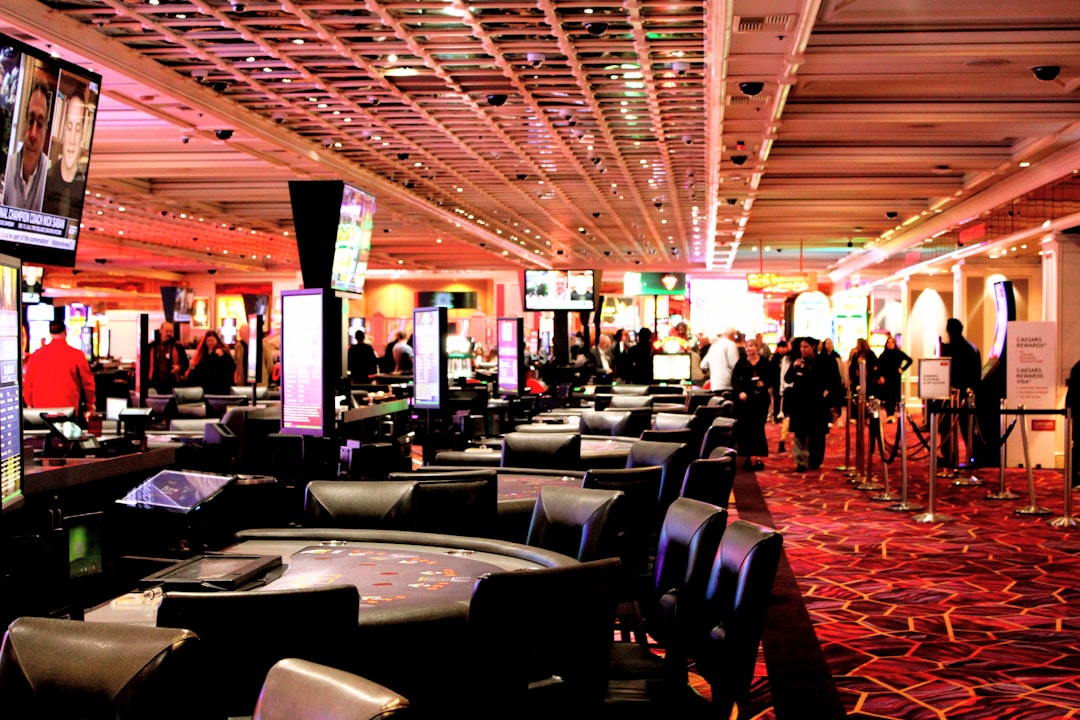
Today's slot machines represent the culmination of over a century of technological evolution. At Brookmill Manor, our gaming floor features state-of-the-art digital slots that would astound Charles Fey and his contemporaries. Modern machines incorporate high-definition touchscreens, surround sound, ergonomic seating, and even haptic feedback that simulates the sensation of pulling a lever or feeling reels spin.
Contemporary slot games feature Hollywood-quality graphics, cinematic soundtracks, and complex narratives that unfold as players progress. Bonus rounds have evolved into elaborate mini-games requiring skill and strategy, blending traditional luck-based gambling with interactive entertainment elements. Some machines offer skill-based bonuses where player decisions directly influence outcomes, appealing to younger generations raised on video games.
The concept of "cascading reels" or "tumbling symbols" has gained tremendous popularity, where winning symbols disappear and new ones fall into place, creating opportunities for consecutive wins on a single spin. This mechanic, impossible with mechanical reels, adds excitement and extended play value to each game round.
Progressive jackpots have reached unprecedented levels through networked systems connecting machines across multiple properties or even entire regions. Multi-tiered progressive systems offer various jackpot levels, creating frequent smaller wins alongside rare mega-jackpots that can reach millions of euros. These networked progressives have produced some of gambling's most celebrated success stories.
Personalization and Player Tracking
Modern slot machines integrate sophisticated player tracking systems that remember individual preferences, betting patterns, and favorite games. When guests at Brookmill Manor insert their player cards, machines can automatically adjust settings to their preferred denominations, speeds, and sound levels. This personalization enhances comfort and enjoyment while allowing properties to reward loyal players with tailored promotions and bonuses.
Advanced analytics help casino operators understand player behavior, optimize machine placement, and identify which themes and features resonate most strongly with different demographic groups. This data-driven approach ensures that gaming floors remain fresh and engaging, with underperforming machines quickly replaced by new offerings.
Mobile and Online Integration
The latest evolution connects physical slot machines with mobile and online platforms, creating seamless omnichannel experiences. Players can begin a session on a casino floor machine, continue on their smartphone during travel, and resume at another property—all while maintaining progressive jackpot eligibility and loyalty program progress. This integration recognizes that modern guests expect flexibility and continuity across all entertainment channels.
Virtual reality and augmented reality technologies are beginning to influence slot design, with experimental machines offering immersive 3D environments where players feel transported to exotic locations or fantasy worlds. While still in early stages, these technologies suggest exciting future possibilities for slot machine entertainment.
Responsible Gaming Features
Modern digital slots also incorporate responsible gaming tools unimaginable in earlier eras. Players can set time limits, spending limits, and reality checks that periodically display session duration and net wins or losses. These features reflect the industry's evolving commitment to player wellbeing and sustainable entertainment. At Brookmill Manor, we've implemented comprehensive responsible gaming protocols across all our machines, ensuring that slot play remains enjoyable recreation rather than problematic behavior.
The Future of Slot Gaming
Looking ahead, slot machine evolution shows no signs of slowing. Artificial intelligence promises machines that adapt gameplay difficulty and volatility to individual player preferences in real-time. Blockchain technology might enable provably fair outcomes with complete transparency. Biometric authentication could eliminate the need for player cards while enhancing security and personalization.
Social gaming features are increasingly incorporated, allowing friends to collaborate on bonus rounds or compete in tournament-style challenges. These communal experiences add social dimensions to traditionally solitary slot play, appealing to guests who value shared entertainment experiences.
Despite all these technological advances, successful slot design still honors the fundamental appeal that made those original mechanical machines so captivating—the thrill of uncertainty, the rush of a win, the engaging sensory experience, and the hope that the next spin might bring something extraordinary. Whether through three mechanical drums or a sophisticated digital interface, that essential excitement remains constant.
Experience Evolution at Brookmill Manor
Our gaming floor at Brookmill Manor showcases this remarkable evolution, featuring carefully selected machines that span the spectrum from classic three-reel designs that honor slot machine heritage to cutting-edge digital experiences that push entertainment boundaries. We believe understanding this rich history enhances appreciation for these sophisticated entertainment devices and the experiences they provide.
The journey from Charles Fey's Liberty Bell to today's networked digital marvels represents more than technological progress—it reflects changing social attitudes, regulatory environments, entertainment preferences, and our endless human fascination with games of chance. As we look toward the future, we're excited to continue offering our guests the finest and most innovative slot gaming experiences available anywhere in Finland.